Effective Book Marketing Strategies for New Authors
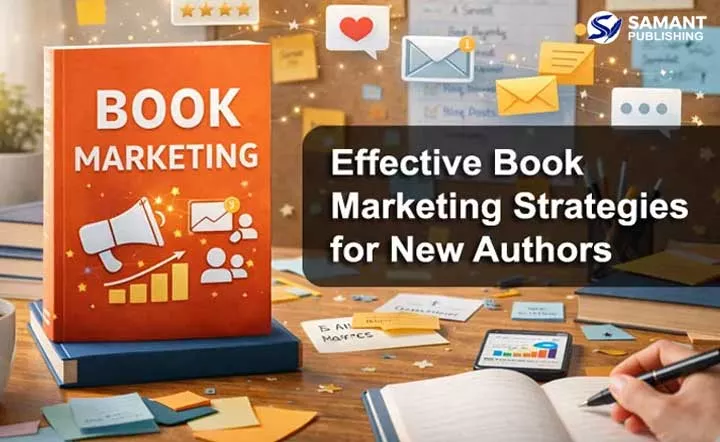
Navigating the world of book marketing can feel overwhelming, especially for new authors. However, with the right strategies, you can build your readership and create lasting connections with your audience. Here are some effective book marketing strategies designed specifically for authors embarking on their publishing journey.
1. Build Your Author Brand
Before launching your book, it’s crucial to establish your author brand. Identify what makes you unique as a writer and use it to create a cohesive image. This includes everything from your writing style to your online presence. Consider developing a professional author website where readers can learn more about you, your books, and your writing process. Make sure to include a blog where you can share insights, updates, and engage with your audience.
2. Leverage Social Media
Social media platforms are invaluable tools for connecting with potential readers. Identify which platforms resonate most with your target audience—whether it’s Instagram, Twitter, Facebook, or TikTok. Engage regularly by sharing content related to your book, including quotes, behind-the-scenes looks at your writing process, or even personal anecdotes. Use relevant hashtags to increase visibility and join conversations within writing communities. Consider hosting live sessions or Q&As to interact with readers directly.
3. Create a Pre-Launch Buzz
Generating excitement before your book launch can significantly influence your initial sales. Start building anticipation through teasers—this could include sharing the cover design, snippet readings, or countdowns to your release date. Gather early readers by creating an ARC (Advance Reader Copy) program and encourage them to leave reviews upon release. Positive reviews can be a powerful tool for attracting new readers.
4. Utilize Email Marketing
Building an email list is a crucial component of successful book marketing. Sign up interested readers and keep them updated on your writing journey, blog posts, and book launches. Offering an incentive, such as a free short story or a first-chapter preview of your upcoming book, can help boost sign-up rates. Regular newsletters build a rapport with your audience and keep readers engaged, ultimately driving sales when you release a new title.
5. Collaborate with Other Authors
Networking within the writing community can yield fruitful promotional opportunities. Collaborate with fellow authors through joint giveaways, author events, or guest blogging on each other’s sites. By tapping into each other’s readerships, you can reach a broader audience and gather potential fans.
6. Attend Literary Events and Workshops
Connecting with readers and other authors in person can have a lasting impact. Attend literary festivals, book fairs, or workshops where you can promote your book. Participate in panels or readings to showcase your work and connect directly with potential readers. Such events often allow for meaningful interactions that can lead to word-of-mouth promotion.
7. Invest in Advertising
If your budget allows, consider investing in online advertising. Platforms like Facebook and Amazon offer targeted ads that can reach specific demographics, making them effective tools for new authors. Experiment with different ad types and analyze their performance to optimize your marketing strategy.
Conclusion
Productive book marketing does not happen overnight; it requires dedication and a strategic approach. By focusing on building your brand, utilizing social media, and engaging with your readers, you can create a solid foundation for your writing career. Remember, the key to successful marketing lies not only in promoting your book but also in nurturing relationships with your audience. As you embark on this journey, stay authentic to your voice and enjoy the process of sharing your stories with the world.