How to Choose the Right Genre for Your Book to Increase Sales and Reach More Readers
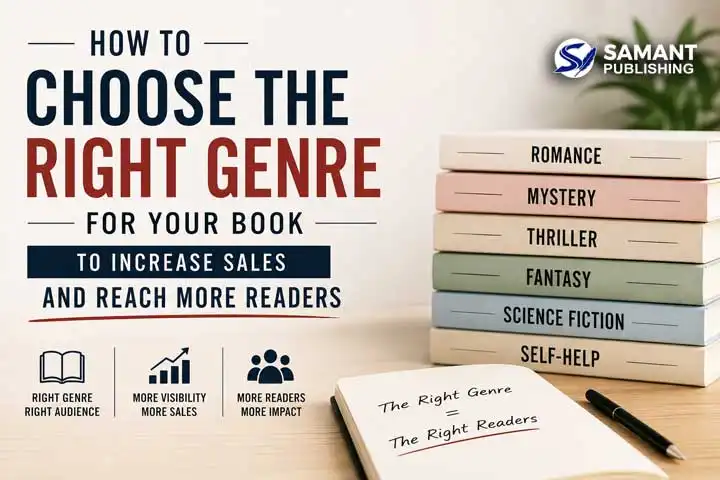
One of the most important decisions an author makes before writing or publishing a book is selecting the right genre. While many writers focus heavily on storytelling, editing, cover design, and marketing, genre selection often determines how easily readers can discover a book and whether it has strong sales potential.
A book’s genre is more than just a label—it is a promise to readers. It tells them what kind of experience they can expect and helps online retailers, bookstores, libraries, and recommendation systems categorize the book correctly. Choosing the right genre can significantly improve visibility, attract the appropriate audience, and increase sales. On the other hand, selecting the wrong genre can make even an excellent book difficult to market.
This article explores the importance of genre selection, how it influences book sales, and how authors can make informed decisions when positioning their books in the marketplace.
Understanding Book Genres
A genre is a category that groups books based on common themes, styles, structures, or reader expectations.
Some of the most popular fiction genres include:
– Romance
– Mystery
– Thriller
– Science Fiction
– Fantasy
– Historical Fiction
– Horror
– Young Adult
– Literary Fiction
Popular non-fiction genres include:
– Self-Help
– Business
– Personal Development
– Health and Wellness
– Biography
– Memoir
– Education
– Religion and Spirituality
– Finance
Within these broad categories, there are also subgenres that target specific reader interests.
For example:
– Romance may include contemporary romance, historical romance, paranormal romance, and romantic suspense.
– Fantasy may include epic fantasy, urban fantasy, dark fantasy, and magical realism.
– Self-help may focus on productivity, leadership, mental health, or personal finance.
The more accurately a book fits its genre, the easier it becomes for readers to find it.
Why Genre Matters in Book Sales
1. Readers Search by Genre
Most readers do not search for books randomly. They usually look for books within genres they already enjoy.
A romance reader wants romance.
A mystery fan wants suspense and investigation.
A business reader wants actionable advice.
When a book is correctly categorized, it appears in relevant searches, recommendations, bestseller lists, and genre-specific promotions.
If a thriller is mistakenly marketed as literary fiction, it may never reach its ideal audience.
2. Genre Creates Reader Expectations
Every genre comes with established expectations.
For example:
– Romance readers expect a strong romantic storyline.
– Mystery readers expect a puzzle or investigation.
– Fantasy readers expect imaginative world-building.
– Self-help readers expect practical solutions.
Books that satisfy genre expectations often receive better reviews and stronger word-of-mouth recommendations.
When expectations are not met, readers may leave negative reviews even if the writing quality is excellent.
3. Online Algorithms Depend on Categories
Retailers such as Amazon Kindle Direct Publishing use categories and keywords to recommend books.
Algorithms analyze:
– Genre
– Reader behavior
– Purchase history
– Similar titles
– Keywords
Proper genre placement helps a book appear in:
– Recommended book sections
– “Customers Also Bought” lists
– Genre bestseller charts
– Email promotions
Incorrect categorization can reduce discoverability and hurt sales.
High-Selling Genres in Today’s Market
While every book is unique, certain genres consistently perform well because they have large and active readerships.
Romance
Romance remains one of the best-selling genres worldwide. Readers consume romance books regularly, creating a loyal and repeat customer base.
Mystery and Thriller
Mystery and thriller readers are highly engaged and often purchase multiple books from the same author.
Fantasy and Science Fiction
These genres have passionate fan communities and strong opportunities for series sales.
Self-Help
Books that address productivity, mindset, success, health, and personal growth continue to perform strongly in both print and digital formats.
Business and Entrepreneurship
Professionals, entrepreneurs, and students frequently seek practical knowledge, making this a profitable non-fiction category.
The Power of Subgenres
Many authors focus only on major genres while ignoring subgenres.
For example:
Instead of competing in the broad category of “Romance,” an author may target:
– Small-town romance
– Billionaire romance
– Sports romance
– Historical romance
Similarly, instead of simply publishing a “Self-Help” book, an author might target:
– Productivity for students
– Confidence building for women
– Financial habits for young professionals
Subgenres often have less competition and more targeted readers, increasing the likelihood of visibility and sales.
Market Research Before Choosing a Genre
Successful authors treat genre selection as both a creative and business decision.
Before publishing, consider researching:
Bestseller Rankings
Study top-selling books within your intended genre.
Look at:
– Cover designs
– Titles
– Descriptions
– Book length
– Reader reviews
Reader Demand
Ask questions such as:
– Is the genre growing?
– Are readers actively purchasing books in this category?
– What topics are trending?
Competition Level
Some genres are highly competitive.
A new author may find it easier to gain visibility in a specialized niche rather than competing directly against established bestselling authors.
Genre Selection and Book Marketing
Marketing becomes much easier when the genre is clearly defined.
A clearly positioned book allows authors to:
– Target specific readers
– Run focused advertising campaigns
– Build genre-based email lists
– Participate in genre-specific promotions
– Collaborate with similar authors
For example, a fantasy author can advertise in fantasy communities, podcasts, blogs, and social media groups where fantasy readers already gather.
Without clear genre positioning, marketing efforts often become scattered and ineffective.
Common Genre Selection Mistakes
1. Choosing a Genre Based Only on Personal Preference
Authors should write what they enjoy, but they should also understand market demand.
A balance between passion and reader interest often produces the best results.
2. Mislabeling the Book
Trying to fit a book into a more popular genre can backfire if the content does not match reader expectations.
3. Ignoring Subgenres
Many authors miss opportunities by selecting broad categories instead of more specific niches.
4. Following Trends Too Late
Publishing trends change quickly. By the time a trend becomes highly visible, the market may already be saturated.
Focus on creating quality content rather than chasing every trend.
Can Genre Affect Long-Term Author Success?
Absolutely.
Authors who consistently write within a genre often build loyal readerships.
Readers who enjoy one book are more likely to purchase future books from the same author if they know what to expect.
Many successful authors establish a recognizable brand by staying within a particular genre or closely related genres.
Benefits include:
– Stronger reader loyalty
– Better author recognition
– Easier marketing
– More effective advertising
– Higher lifetime book sales
Finding the Right Genre for Your Book
To determine the best genre:
1. Identify the book’s primary theme.
2. Analyze similar successful books.
3. Consider reader expectations.
4. Research market demand.
5. Choose the most accurate category.
6. Select relevant subgenres when available.
7. Test your positioning through reader feedback.
Remember that the goal is not simply to fit into a category but to connect with the readers most likely to enjoy your work.
Conclusion
Genre selection plays a critical role in a book’s commercial success. It influences discoverability, reader expectations, marketing effectiveness, online recommendations, and long-term sales performance.
A well-written book can struggle if it is positioned incorrectly, while a strategically categorized book can reach its ideal audience more efficiently. Authors who understand their genre, research their market, and align their books with reader expectations give themselves a significant advantage in today’s competitive publishing environment.
Ultimately, choosing the right genre is not just a publishing decision—it is a sales strategy. The better the match between a book and its target audience, the greater its chances of achieving sustained success in the marketplace.